

Industrial Laundry Machines: How to Reduce Operating Costs and Improve Laundry Productivity
Industrial laundry machines help businesses process large volumes of laundry efficiently while reducing operating costs and improving productivity. Used across hotels, hospitals, commercial laundries, and industrial facilities, modern systems offer faster processing, lower utility consumption, and consistent wash quality. This guide explores how the right equipment can streamline operations, improve efficiency, and deliver long-term value for growing laundry businesses.
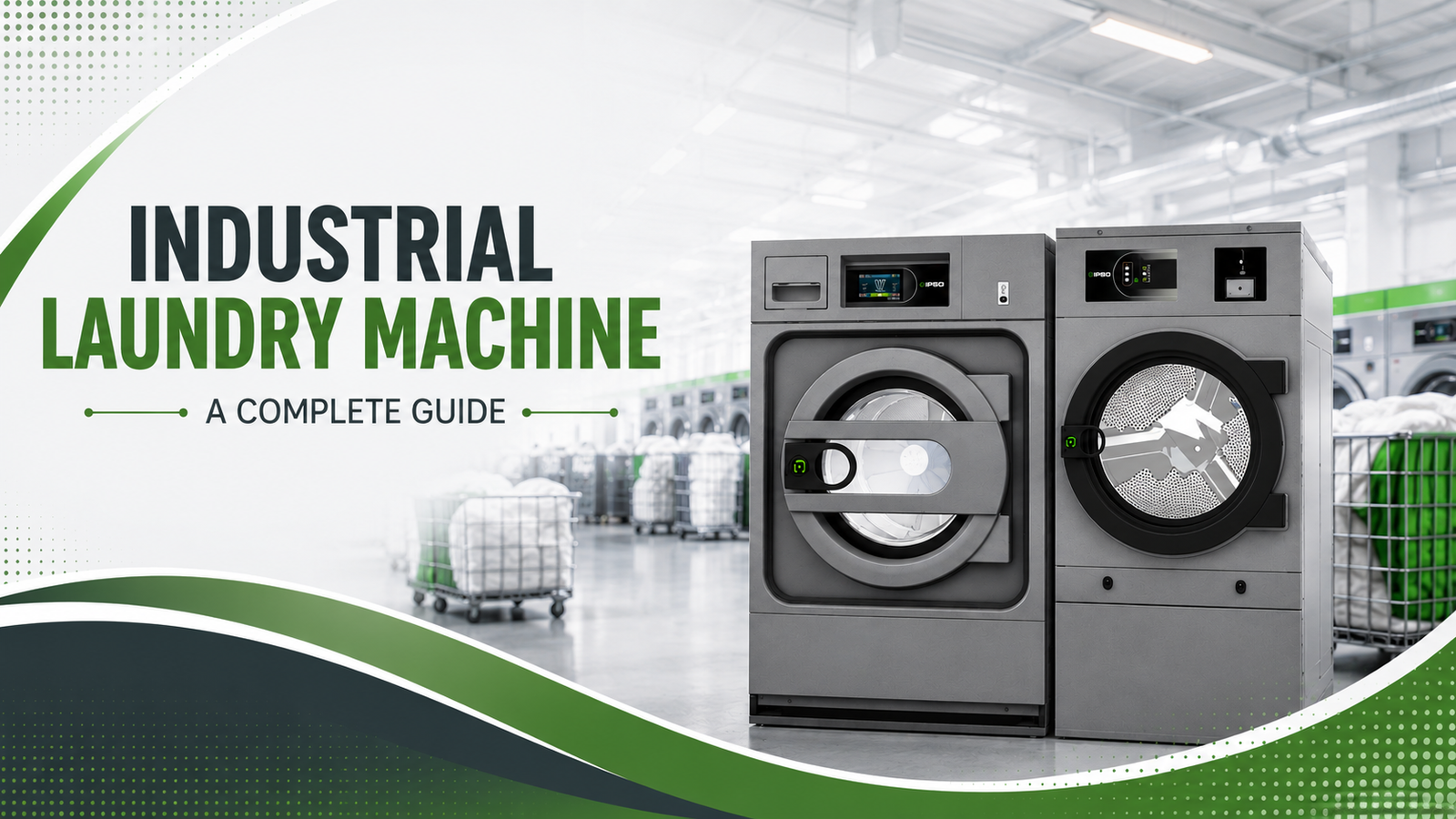
In today’s competitive laundry industry, efficiency is no longer optional—it’s essential. Whether serving hotels, hospitals, manufacturing facilities, or commercial laundries, businesses must process large volumes of linen and garments while controlling utility costs, labor expenses, and operational downtime. This is where modern industrial laundry machines make a significant difference.
By combining advanced technology, high-capacity performance, and automation, these systems help organizations increase productivity, improve wash quality, and reduce operating costs. This guide explores how industrial laundry machines support efficient laundry operations and what businesses should consider when investing in new equipment.
What Are Industrial Laundry Machines?
Industrial laundry machines are heavy-duty systems designed to handle large volumes of laundry continuously and efficiently. Unlike residential or light-duty equipment, they are engineered for demanding environments where reliability, durability, and throughput are critical.
These machines are commonly used in commercial laundries, hospitals, hotels, manufacturing plants, and institutional facilities. A modern commercial washing machine used in industrial settings can process significantly larger loads while maintaining consistent cleaning performance and lower operational costs.
Difference Between Industrial and Commercial Laundry Machines
Although the terms are often used interchangeably, there are significant differences between commercial and industrial laundry equipment. The right choice depends on daily laundry volume, operating hours, and business requirements.
Feature | Commercial Laundry Machines | Industrial Laundry Machines |
Typical Capacity | 10–30 kg per cycle | 30–120+ kg per cycle |
Daily Throughput | Moderate-volume processing | High-volume continuous processing |
Operating Hours | 6–12 hours per day | 16–24 hours per day |
Common Applications | Hotels, apartment complexes, small laundries, educational institutions | Large hotels, hospitals, textile plants, commercial laundries, manufacturing facilities |
Durability | Designed for regular use | Engineered for heavy-duty continuous operation |
Extraction Speed | Standard extraction performance | High-speed extraction for reduced drying time |
Automation Features | Basic programmable controls | Advanced automation, remote monitoring, and chemical dosing systems |
Energy Efficiency | Good efficiency levels | Optimized systems for maximum water and energy savings |
Maintenance Requirements | Moderate | Built for lower downtime and higher reliability |
Expected Lifespan | 8–12 years (depending on usage) | 15–20+ years with proper maintenance |
Initial Investment | Lower upfront cost | Higher upfront investment with stronger long-term ROI |
Best For | Small to medium laundry operations | Large-scale and high-volume laundry facilities |
Which One Should You Choose?
If your operation processes a moderate volume of laundry each day, a commercial washing machine may be sufficient. However, facilities handling hundreds or thousands of kilograms of linen, uniforms, or garments daily typically benefit from industrial washing machines due to their higher capacity, durability, automation capabilities, and long-term operating efficiency.
Types of Industrial Laundry Equipment
A successful laundry operation relies on multiple pieces of equipment working together to create an efficient workflow.
Washer Extractors
High Performance washer extractors combine washing and high-speed extraction into a single machine. Their ability to remove more moisture during the wash cycle reduces drying times and energy consumption.
Industrial Washing Machines
Modern industrial washing machines are equipped with programmable controls, optimized water usage systems, and advanced wash programs that improve cleaning performance while minimizing resource consumption.
Industrial Dryers
High-capacity industrial dryers use intelligent airflow management and temperature control systems to achieve faster drying and lower utility costs.
Finishing Equipment
Flatwork ironers, utility vacuum ironing tables, and garment finishing equipment help improve presentation quality while reducing manual labor requirements.
Together, these systems form comprehensive industrial laundry solutions that support efficient, high-volume operations.
Common Industrial Laundry Machine Capacities and Estimated Investment
Industrial laundry equipment is available in various capacities to suit different operational requirements. Selecting the right capacity depends on daily linen volume, available utilities, labor resources, and future growth plans.
Equipment Type | Typical Capacity | Estimated Price Range* |
Commercial Washing Machine | 10–20 kg | ₹2 lakh – ₹8 lakh |
Industrial Washing Machine | 25–50 kg | ₹8 lakh – ₹20 lakh |
High-Capacity Washer Extractor | 60–120 kg | ₹20 lakh – ₹50 lakh+ |
Industrial Dryer | 25–120 kg | ₹5 lakh – ₹35 lakh |
Flatwork Ironer | 1.5–3.3 meter roller | ₹8 lakh – ₹60 lakh+ |
Dry Cleaning Machine | 12–32 kg | ₹15 lakh – ₹80 lakh+ |
Utility Vacuum Ironing Table | Single station | ₹1 lakh – ₹5 lakh |
*Prices are indicative and may vary depending on machine specifications, automation features, installation requirements, and supplier offerings.
Capacity Selection Guide for Maximum Productivity
Choosing the correct equipment capacity is one of the most important decisions when planning a laundry facility.
Many operators purchase equipment based solely on current demand. However, capacity planning should also account for future growth and peak workload periods.
Key factors to consider include:
- Daily laundry volume
- Operating hours and shifts
- Available floor space
- Utility infrastructure
- Business expansion plans
Selecting the right commercial washing machine capacity helps prevent bottlenecks, reduces unnecessary operating costs, and ensures consistent productivity as demand increases.
ROI and Cost Considerations: Understanding the Real Value of Industrial Laundry Machines
When evaluating a new commercial washing machine or industrial laundry system, many businesses focus primarily on the purchase price. However, the true value of laundry equipment lies in its long-term impact on productivity, utility costs, labor efficiency, and operational profitability.
A machine that costs more initially can often deliver significantly higher returns through lower operating expenses and increased processing capacity.
Understanding Cost Per Wash
One of the most useful metrics for evaluating laundry equipment is cost per wash.
For example, a conventional 25 kg washer may consume the following:
Cost Component | Typical Consumption Per Cycle |
Water | 250–350 liters |
Electricity | 4–6 kWh |
Detergents & Chemicals | ₹30–₹60 |
Labor Allocation | ₹40–₹80 |
Total Estimated Cost Per Wash | ₹90–₹180 |
In comparison, a modern high-efficiency industrial washing machine with optimized water levels and programmable controls may reduce:
- Water consumption by 20–40%
- Energy consumption by 15–30%
- Chemical usage by 10–20%
This can lower operating costs by ₹20–₹50 per cycle depending on local utility rates and production volumes.
Example: Commercial Laundry Processing 3,000 kg Per Day
A professional laundry processing 3,000 kg of linen daily may complete 80–120 wash cycles per day.
If operational improvements reduce costs by only ₹30 per cycle:
- Daily savings: ₹2,400–₹3,600
- Monthly savings: ₹72,000–₹1.08 lakh
- Annual savings: ₹8.6 lakh–₹13 lakh
Additional gains often come from increased production capacity and reduced labor requirements.
Automation in Modern Laundry Operations
Automation has become a key driver of productivity in large-scale laundry facilities.
Modern laundry systems now feature the following:
- Touchscreen control panels
- Automated chemical dosing
- Production monitoring systems
- Remote diagnostics
- Maintenance alerts
- Performance reporting
By reducing manual intervention and improving process consistency, automation helps facilities achieve higher productivity with fewer labor resources.
As labor costs continue to rise, automated industrial laundry solutions offer a practical way to improve operational efficiency while maintaining quality standards.
Industries That Use Industrial Laundry Machines
Industrial laundry equipment serves a wide range of industries that require high-volume textile processing.
Hospitality
Hotels, resorts, and serviced apartments depend on efficient laundry operations to process linens, towels, uniforms, and guest garments.
Healthcare
Hospitals and healthcare facilities require reliable laundry systems that support hygiene standards and continuous linen availability.
Commercial Laundries
Professional laundries serving multiple clients rely on industrial systems to maximize throughput and profitability.
Manufacturing Facilities
Factories often use industrial laundry equipment to clean uniforms, protective clothing, and specialized textiles.
Educational Institutions
Universities, boarding schools, and training centers frequently operate centralized laundry facilities to support students and staff.
How to Choose the Right Industrial Laundry Equipment Supplier
Selecting the right equipment is only part of the investment decision. Choosing a dependable industrial laundry equipment supplier is equally important.
When evaluating suppliers, consider:
- Industry experience
- Product quality and reliability
- Installation and commissioning support
- Spare parts availability
- Technical service network
- Operator training programs
- Preventive maintenance services
A trusted commercial laundry equipment supplier provides ongoing support that helps maximize equipment performance and minimize downtime throughout the machine’s lifespan.
ROI and Cost Considerations
While industrial laundry machines require an initial investment, the long-term benefits often outweigh the upfront cost.
Key factors affecting return on investment include:
- Reduced utility expenses
- Lower labor costs
- Increased processing capacity
- Fewer maintenance issues
- Improved productivity
- Longer equipment lifespan
Businesses should evaluate the total cost of ownership rather than focusing solely on purchase price. In many cases, modern industrial laundry equipment delivers measurable savings through improved operational efficiency and reduced resource consumption.
How Capacity Impacts Laundry Operating Costs
Many businesses assume that purchasing the largest machine available will maximize productivity. In reality, selecting the correct machine size delivers the best return on investment.
Small Operations (10–20 kg)
Ideal for:
- Boutique hotels
- Small healthcare facilities
- Apartment laundries
Medium Operations (25–50 kg)
Suitable for:
- Mid-sized hotels
- Commercial laundry startups
- Industrial uniform processing
Large Operations (60–120 kg+)
Recommended for:
- Large hospitals
- Industrial laundries
- Textile rental companies
- Centralized laundry facilities
A properly sized commercial washing machine helps optimize water consumption, energy usage, labor efficiency, and daily production output while preventing unnecessary operating costs.
How Orgaearth Can Help Your Laundry Business
Choosing the right industrial laundry equipment involves more than simply purchasing machines. Factors such as capacity planning, workflow design, utility requirements, operational efficiency, and long-term maintenance all play a critical role in the success of a laundry operation.
At Orgaearth, we help businesses identify the most suitable industrial laundry solutions based on their specific processing volumes, facility requirements, and growth objectives. Whether you’re planning a new laundry setup or upgrading an existing operation, our team provides expert guidance to help you make informed investment decisions.
Our solutions include:
- Industrial washing machines and washer extractors
- Commercial and industrial dryers
- Flatwork ironers and finishing equipment
- Dry cleaning machines
- Laundry chemicals and dosing solutions
- Spare parts and accessories
- Installation and commissioning support
- AMC/CMC and after-sales service
- Turnkey laundry plant setup solutions
With a focus on productivity, energy efficiency, and long-term operational performance, OrgaEarth works closely with hotels, hospitals, commercial laundries, manufacturing facilities, and institutional clients to build efficient, scalable, and cost-effective laundry operations.
Contact Us
Orgaearth Laundry Solutions
Plot no. 774, Udyog Vihar, Phase 5, Gurugram, Haryana, India-122016
Email: marketing@orgaearth.com
Contact No.: +91 7042912777
Frequently Asked Questions
Industrial laundry machines are designed for high-volume laundry processing in facilities such as hotels, hospitals, commercial laundries, manufacturing plants, and institutional laundries. They offer larger capacities, faster processing times, and greater durability than standard commercial machines.
Modern industrial laundry machines reduce costs through lower water consumption, energy-efficient operation, high-speed extraction, automated chemical dosing, and optimized wash programs. These features help minimize utility expenses while improving productivity and wash quality.
The ideal machine capacity depends on your daily laundry volume, operating hours, available utilities, and future growth plans. Small operations may require 10–20 kg machines, while large commercial laundries and hospitals often use machines ranging from 50–120 kg or more.
A complete industrial laundry solution typically includes washer extractors, industrial dryers, flatwork ironers, finishing equipment, dry-cleaning systems, chemical dosing solutions, and material handling equipment. The exact setup depends on the facility's processing requirements.
Most businesses achieve a return on investment within 2–5 years, depending on equipment utilization, utility savings, labor efficiency improvements, and increased production capacity. High-volume operations often experience faster payback periods.
Orgaearth provides end-to-end industrial laundry solutions, including equipment selection, laundry plant setup planning, installation support, laundry chemicals, spare parts, AMC/CMC services, and after-sales support. Whether you're setting up a new facility or upgrading an existing one, Orgaearth helps optimize productivity, reduce operating costs, and build efficient, scalable laundry operations.